
Zanzibar Island, located off the coast of mainland Tanzania in the Indian Ocean, is a tropical paradise known for its white-sand beaches, turquoise waters, and rich cultural heritage. As part of the Zanzibar Archipelago, the island blends African, Arab, Indian, and European influences, creating a unique and vibrant identity.
Beyond its stunning coastline, Zanzibar offers a fascinating historical and cultural experience. From the narrow alleys of Stone Town to spice plantations and traditional dhow sailing, the island combines relaxation with discovery, making it one of East Africa’s most captivating destinations
Zanzibar enjoys a warm, tropical climate throughout the year, with temperatures typically ranging between 25°C and 32°C. Sea breezes provide a refreshing balance to the island’s sunny conditions.
The dry seasons, from June to October and December to February, are ideal for beach holidays, snorkeling, and diving. The rainy seasons, from March to May and November, bring short tropical showers, lush landscapes, and fewer visitors.
Zanzibar is renowned for its powdery white beaches and crystal-clear waters, particularly along the northern and eastern coasts. Coral reefs surrounding the island provide excellent opportunities for snorkeling and diving, with vibrant marine life including tropical fish, sea turtles, and dolphins.
Culturally, the island is deeply rooted in Swahili traditions. Visitors can explore historic sites, bustling markets, spice farms, and experience local music and cuisine that reflect centuries of trade and cultural exchange.

Zanzibar Island lies in the Indian Ocean, approximately 25–50 kilometers off the coast of mainland Tanzania. It forms part of the semi-autonomous region of Zanzibar within the United Republic of Tanzania.
The island is easily accessible by short flights from major Tanzanian cities or by ferry from Dar es Salaam. Its coastal position makes it a popular extension to mainland safari experiences.
Zanzibar Island, also known as Unguja, covers approximately 1,666 square kilometers. It is the largest island in the Zanzibar Archipelago.
Despite its relatively compact size, the island offers diverse experiences ranging from beach resorts and coral reefs to historic towns and rural villages.
Zanzibar is famous for its idyllic beaches and clear turquoise waters that attract visitors seeking relaxation and water activities. It is also widely known as the “Spice Island” due to its long history of clove, nutmeg, and cinnamon production.
Additionally, its historic Stone Town, a UNESCO World Heritage Site, is celebrated for its cultural heritage, carved wooden doors, and centuries-old architecture influenced by Arab and Swahili traditions.
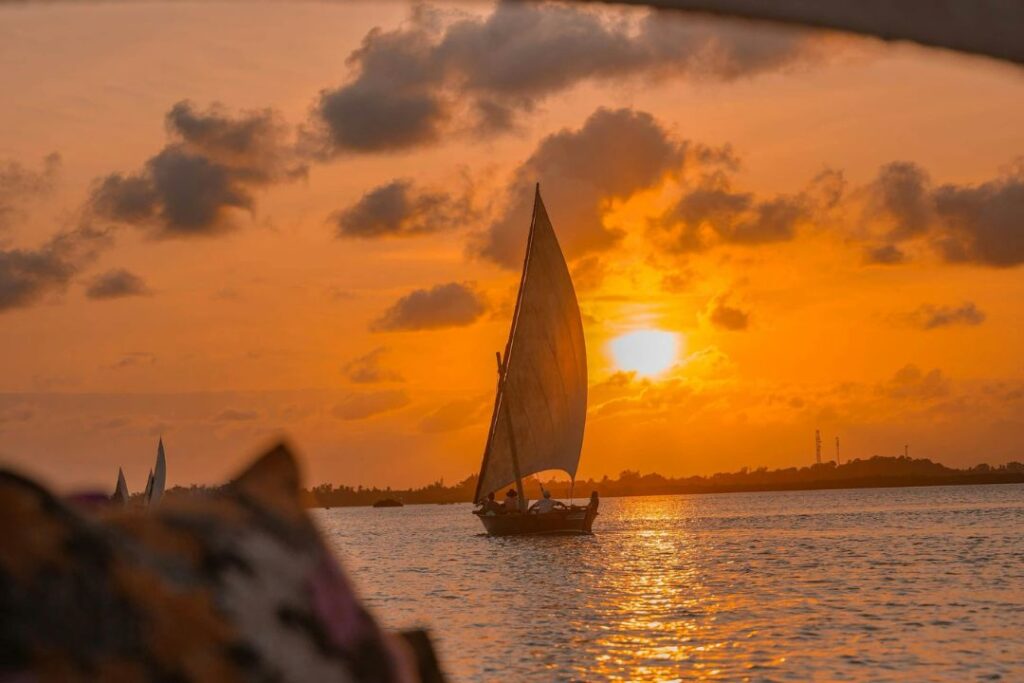
Visitors can enjoy swimming, snorkeling, scuba diving, and traditional dhow cruises along the coast. Water-based activities are available year-round, particularly during the dry seasons.
On land, travelers can explore spice farms, visit cultural villages, tour historic sites, or relax on the beach. The island offers a balance of leisure, adventure, and cultural discovery.
Zanzibar is generally considered safe for visitors, especially in established tourist areas. Standard travel precautions and respect for local customs help ensure a smooth experience.
As a predominantly Muslim society, modest dress is recommended in towns and villages outside beach areas. Responsible travel and cultural awareness contribute to a safe and respectful visit.
The best time to visit Zanzibar is during the dry seasons from June to October and December to February. These months offer sunny skies, calm seas, and ideal beach conditions.
The rainy seasons from March to May and November bring occasional heavy showers, though travel is still possible. These periods offer greener scenery and fewer crowds.
Zanzibar offers rich cultural experiences rooted in Swahili heritage. Visitors can explore historic streets, local markets, traditional music, and authentic coastal cuisine.
Cultural tours often include visits to Stone Town, spice plantations, and fishing villages. These experiences provide insight into the island’s long history of trade and cultural exchange.
Zanzibar can be reached by international or domestic flights to Abeid Amani Karume International Airport. Direct connections are available from several regional and international destinations.
Alternatively, high-speed ferries operate between Dar es Salaam and Zanzibar daily. The island is frequently combined with visits to mainland destinations such as Serengeti National Park or Tarangire National Park for a complete Tanzania experience.