
Tarangire National Park
Located in northern Tanzania, Tarangire National Park is one of the country’s most scenic and wildlife-rich protected areas. Covering approximately 2,850 square kilometers, the park is characterized by rolling savannah, ancient baobab trees, seasonal swamps, and the life-giving Tarangire River that flows through its heart.
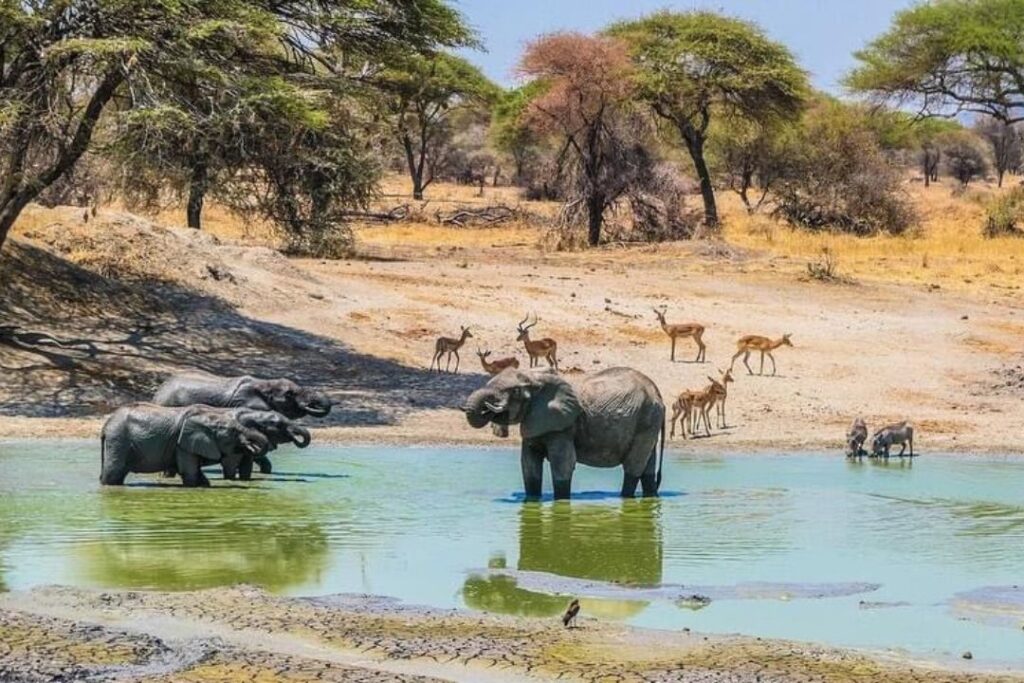
Tarangire is especially famous for its large elephant population and iconic baobab-dotted landscapes. During the dry season, thousands of animals gather along the river, creating exceptional wildlife viewing opportunities and a quieter, more intimate safari experience compared to larger parks in the region.
Tarangire National Park enjoys a warm climate year-round, with distinct dry and wet seasons shaping the wildlife experience. Temperatures are generally moderate, with cooler mornings and evenings.
The dry season from June to October is the best time for game viewing, as animals concentrate around the Tarangire River. The wet season, from November to May, transforms the park into a lush green landscape and offers excellent birdwatching, though wildlife disperses more widely.
Tarangire is renowned for hosting some of the largest elephant herds in Tanzania. Visitors can also encounter lions, leopards, cheetahs, giraffes, zebras, buffaloes, and various antelope species across its open plains and woodlands.
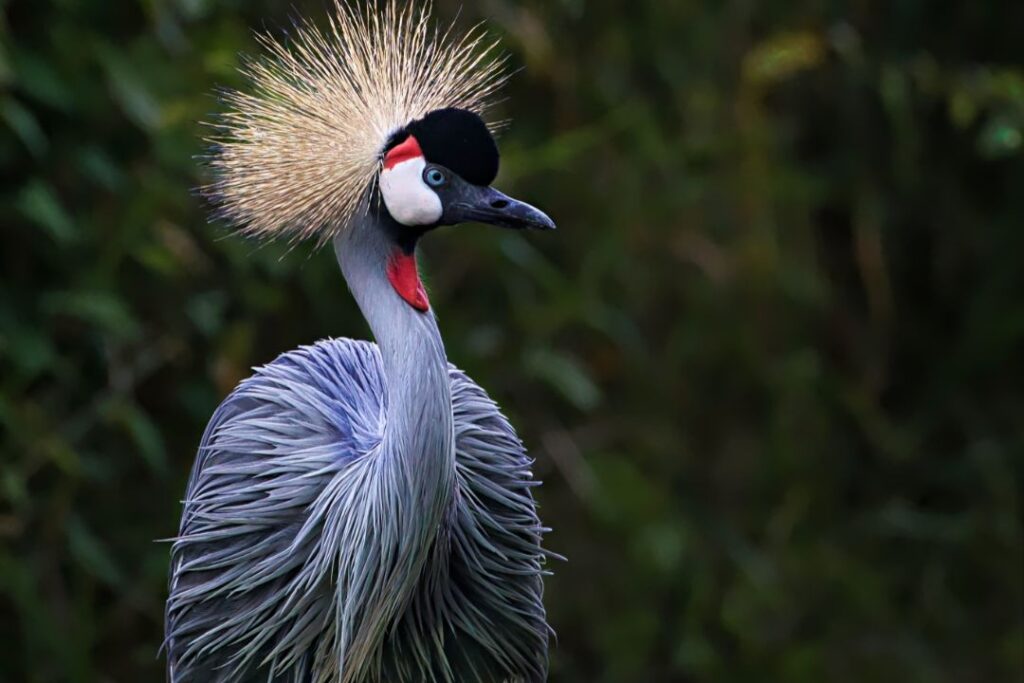
The park is a haven for bird enthusiasts, with over 500 species recorded. From colorful lovebirds and lilac-breasted rollers to large raptors and ostriches, Tarangire provides rich and diverse birdlife throughout the year.
1. Where is Tarangire National Park located?
Tarangire National Park is situated in northern Tanzania, approximately 120 kilometers southwest of Arusha. It forms part of the popular northern safari circuit alongside other major parks in the region.
Its accessibility by both road and short domestic flights makes it a convenient addition to wildlife itineraries. The park’s location near other protected areas allows for combined safari experiences.
2. How large is Tarangire National Park?
The park covers around 2,850 square kilometers, making it one of Tanzania’s medium-sized national parks. Its diverse terrain includes savannah grasslands, woodlands, and riverine habitats.
Despite its smaller size compared to some neighboring parks, Tarangire supports a remarkable density of wildlife, particularly during the dry season when animals gather near permanent water sources.
3. What is Tarangire National Park famous for?
Tarangire is best known for its massive elephant herds and ancient baobab trees that dominate the landscape. These towering trees create a distinctive and photogenic setting unique to the park.
It is also recognized for dramatic dry-season wildlife concentrations along the Tarangire River. Predators such as lions and leopards are frequently seen taking advantage of the abundance of prey.
4. What wildlife can I expect to see in Tarangire?
Visitors can expect to see elephants in large numbers, along with lions, leopards, cheetahs, giraffes, zebras, wildebeests, and buffaloes. The park also supports lesser-seen species such as fringe-eared oryx and greater kudu.
The river and seasonal swamps attract a wide range of animals, especially during the dry season. This concentration makes wildlife viewing both consistent and rewarding.
5. Is Tarangire National Park safe for tourists?
Tarangire National Park is considered safe for visitors who follow established park rules and guidelines. Wildlife is observed from designated areas to ensure both visitor safety and animal protection.
Adhering to park regulations and remaining within approved zones ensures a secure and enjoyable safari experience. Responsible tourism helps preserve the park’s delicate ecosystem.
6. When is the best time to visit Tarangire?
The best time to visit Tarangire is during the dry season from June to October, when wildlife gathers around the Tarangire River. This period offers outstanding opportunities for photography and close wildlife encounters.
The wet season from November to May provides lush scenery and fewer visitors. It is also an excellent time for birdwatching, as migratory species arrive and the park becomes vibrant and green.
7. What types of safaris are available in Tarangire?
Game drives are the primary safari activity, allowing visitors to explore the park’s diverse habitats and wildlife concentrations. Morning and late afternoon drives are particularly productive.
In designated areas, walking safaris may also be available, offering a closer look at the ecosystem. Birdwatching and photographic safaris are popular due to the park’s scenic beauty and diverse species.
8. How do I get to Tarangire National Park?
Tarangire can be reached by road from Arusha in approximately two to three hours. The drive passes through scenic countryside and local communities.
Alternatively, domestic flights operate to nearby airstrips, connecting the park with other major destinations in Tanzania. Its proximity to attractions such as Ngorongoro Crater and Lake Manyara National Park makes it easy to combine with a broader northern circuit itinerary.