
Serengeti National Park
Covering more than 14,750 square kilometers in northern Tanzania and bordering Maasai Mara National Reserve, Serengeti National Park is one of the world’s most celebrated safari destinations. Its vast savannahs, scattered acacia trees, and river systems create an iconic African landscape renowned for extraordinary wildlife experiences.
The park is globally famous for the Great Wildebeest Migration, during which millions of wildebeests, zebras, and gazelles move across the plains in search of fresh grazing. This annual cycle is one of nature’s most dramatic spectacles, drawing predators and observers alike to witness the rhythm of survival in a largely untouched ecosystem. The Serengeti remains a top destination for wildlife enthusiasts and photographers seeking authentic encounters.
Beyond the migration, the park offers exceptional safari experiences throughout the year. It is home to the Big Five—lion, leopard, elephant, buffalo, and rhino—along with cheetahs, giraffes, hippos, and crocodiles. Its open landscapes and rich biodiversity make it ideal for game drives, balloon safaris, walking excursions in designated areas, and cultural visits to nearby Maasai communities.
Serengeti National Park enjoys a warm and generally pleasant climate year-round.
- Dry Seasons (June–October and mid-December–February): Wildlife viewing is at its best as animals gather around rivers and waterholes. Vegetation is thinner, improving visibility.
- Wet Seasons (March–May and November–early December): These months bring greener scenery and excellent birdwatching opportunities, though some roads may become challenging after heavy rains.
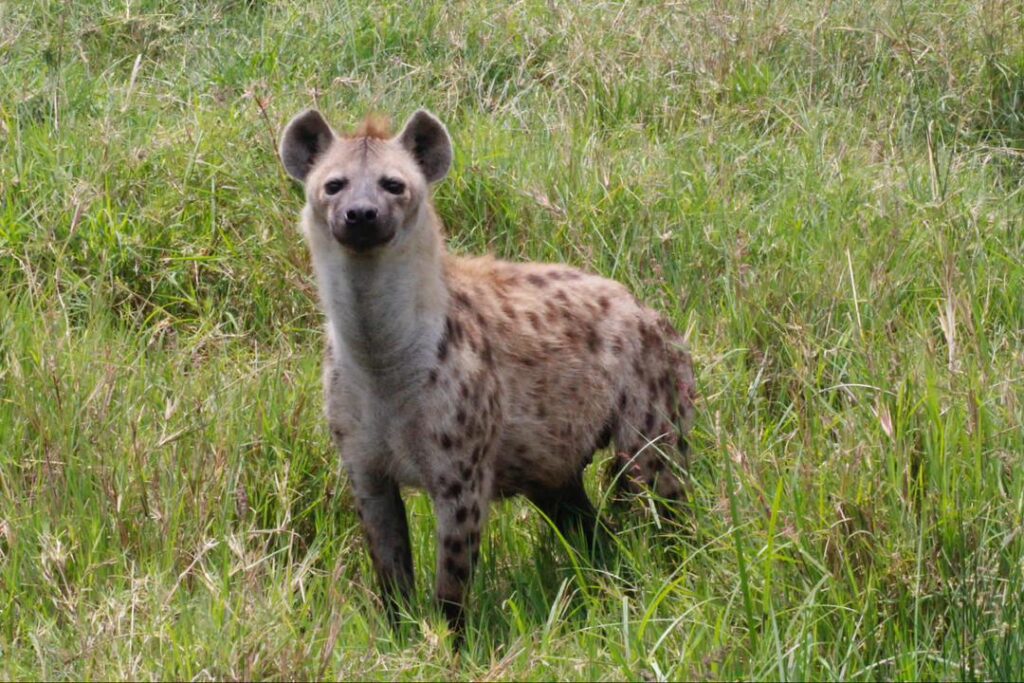
The Serengeti supports one of the highest concentrations of wildlife in Africa. Massive herds of wildebeests and zebras roam the plains, closely followed by predators such as lions, leopards, cheetahs, and hyenas. Elephants move steadily across the grasslands, while giraffes browse treetops and crocodiles inhabit riverbanks.
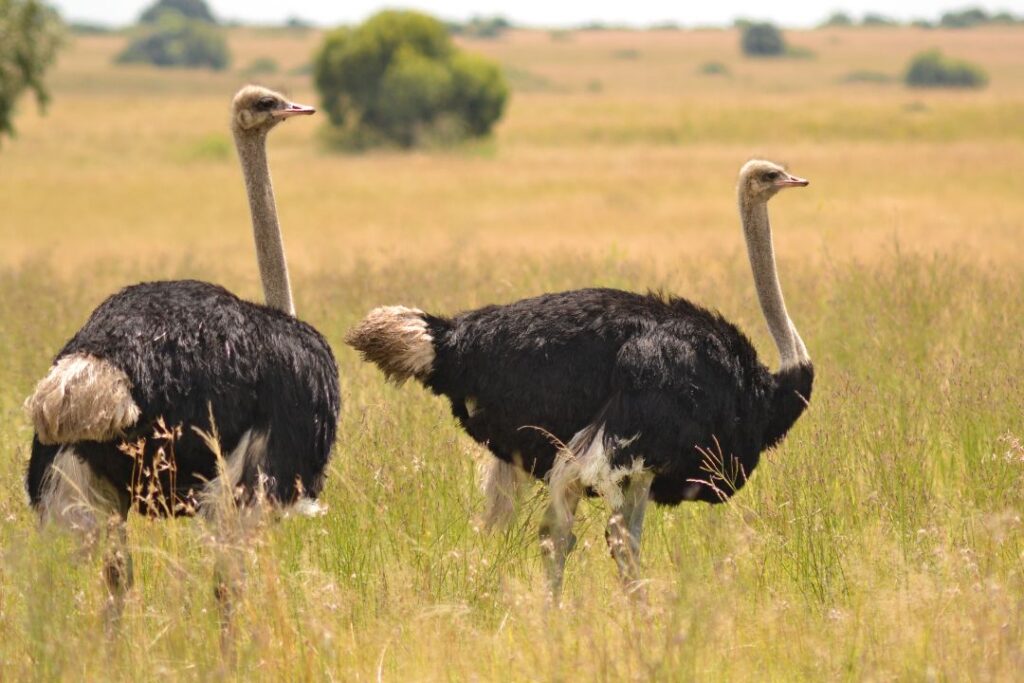
Birdlife is equally impressive, with more than 500 recorded species. Visitors may spot ostriches, vultures, eagles, secretary birds, and colorful bee-eaters. Smaller mammals—including hyraxes, mongooses, jackals, and servals—add to the park’s remarkable biodiversity.
1. Where is Serengeti National Park located?
Serengeti National Park is situated in northern Tanzania, spanning the Mara and Simiyu regions. It shares its northern boundary with Kenya’s Maasai Mara National Reserve, forming part of the greater Serengeti ecosystem.
The park is accessible from major travel hubs such as Arusha and Kilimanjaro International Airport. Its strategic location makes it a central highlight of northern Tanzania’s safari circuit.
2. How large is the Serengeti?
The park covers approximately 14,750 square kilometers, making it one of Africa’s largest protected wildlife areas. Its expansive plains, river valleys, and woodlands provide diverse habitats for countless species.
This vast size allows wildlife to move freely across ecosystems, supporting large migratory herds and stable predator populations. The scale of the landscape contributes to its reputation as one of the continent’s most important conservation areas.
3. What is the Serengeti famous for?
The Serengeti is best known for the Great Wildebeest Migration, during which over 1.5 million wildebeests, along with hundreds of thousands of zebras and gazelles, travel in search of greener pastures. This annual cycle is considered one of the greatest wildlife spectacles on Earth.
Beyond the migration, the park is renowned for its high concentration of predators, including lions, cheetahs, and leopards. These dramatic predator-prey interactions make it a prime destination for wildlife enthusiasts.
4. What wildlife can be seen?
Visitors can encounter the Big Five—lion, leopard, elephant, buffalo, and rhino—along with giraffes, hippos, crocodiles, and numerous antelope species. The open plains make wildlife sightings frequent and rewarding.
In total, the park hosts more than 350 mammal species and over 500 bird species. This diversity ensures a rich and varied safari experience at any time of year.
5. Is the Serengeti safe for visitors?
Serengeti National Park is considered a safe destination for visitors when park regulations are followed. Wildlife is respected from designated viewing areas, and established safety guidelines are strictly observed.
Travelers are advised to follow instructions provided within the park and remain within approved zones. Responsible conduct ensures both visitor safety and wildlife protection.
6. When is the best time to visit?
The Serengeti can be visited throughout the year, depending on the experience sought. The dry season from June to October is particularly favorable for wildlife viewing, as animals gather around water sources.
The wet season from March to May brings lush scenery and fewer visitors, while the calving season from January to March in the southern plains offers excellent opportunities to observe newborn wildlife and predator activity.
7. What safari experiences are available?
Visitors can enjoy a range of safari experiences, including morning and evening game drives across the plains. Hot air balloon safaris provide panoramic views of the landscape and wildlife from above.
Guided walking safaris are available in designated areas, offering a closer look at the ecosystem. Cultural visits to Maasai communities also provide insight into local traditions and heritage.
8. How do I get there?
The park can be reached by domestic flights to airstrips such as Seronera, Kogatende, and Grumeti from major Tanzanian cities. These flights offer convenient access to different regions of the park.
Alternatively, overland travel from Arusha takes approximately 7–8 hours and may include visits to nearby attractions such as Ngorongoro Crater or Lake Manyara National Park along the route.